
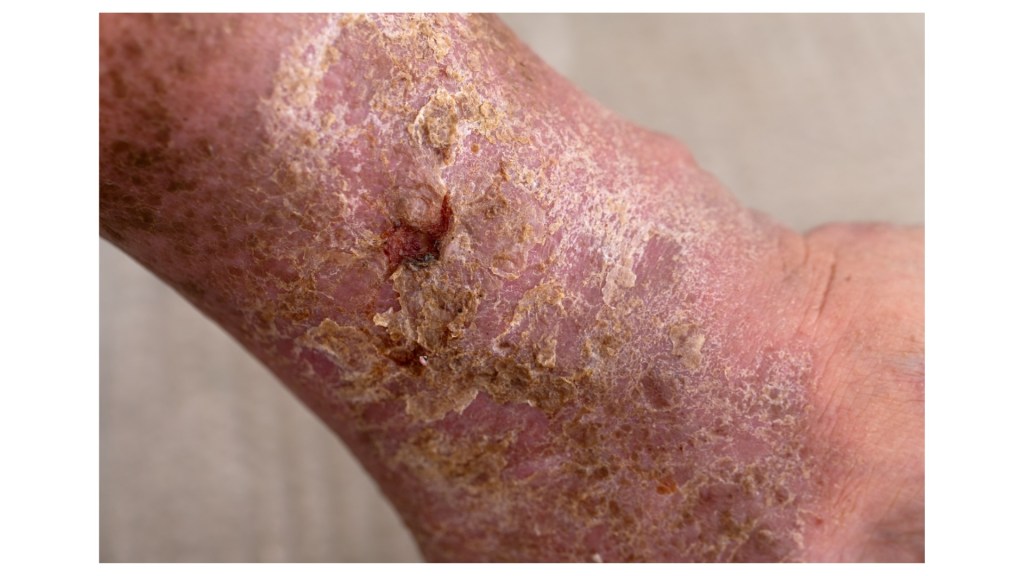
Understanding the Differences and Treatment Approaches
Diabetic Foot Ulcer
Chronic wounds, particularly diabetic foot ulcers and venous stasis ulcers, are common and often debilitating conditions that can severely impact a person’s quality of life. Although both types of ulcers can result in significant complications, their causes, risk factors, and treatment strategies differ. Understanding these differences is crucial for effective management and prevention of further complications. This blog explores the distinctions between diabetic foot ulcers and venous stasis ulcers, and the approaches to treating them.
What is a Diabetic Foot Ulcer?
A diabetic foot ulcer (DFU) is a common and serious complication of diabetes, particularly among individuals who have had the condition for many years or struggle with poor blood sugar control. These ulcers usually develop on the bottom of the feet or toes and are often linked to the nerve damage (neuropathy) and poor circulation (peripheral arterial disease) associated with diabetes.
Causes and Risk Factors of Diabetic Foot Ulcers
- Neuropathy: Nerve damage due to high blood sugar levels reduces sensation in the feet, making it difficult to detect injuries, pressure, or irritation.
- Poor Circulation: Diabetes can impair blood flow to the feet, making it harder for wounds to heal and more likely for infections to develop.
- Foot Deformities: People with diabetes may develop foot deformities (like hammertoes, bunions, or Charcot foot), which can create pressure points that lead to ulcer formation.
- Infection: Diabetes weakens the immune system, which increases the risk of infections in existing wounds.
- High Blood Sugar: Elevated blood glucose levels can slow down the healing process and increase the likelihood of infection.
Symptoms and Signs of Diabetic Foot Ulcers
- Open sores or wounds on the foot, particularly on the heel, toes, or the bottom of the foot
- Calluses or thickened skin around the ulcer
- Pain (although neuropathy may mask pain, so the ulcer might not always be painful)
- Redness, swelling, or drainage around the ulcer, indicating infection
- Numbness or tingling in the affected area (due to neuropathy)
Treatment of Diabetic Foot Ulcers
The primary goals of treating a diabetic foot ulcer are to promote healing, prevent infection, and manage underlying factors such as poor circulation and high blood sugar. Key treatments include:
- Blood sugar control: Keeping blood glucose levels within the target range is essential for wound healing.
- Debridement: Removing dead or infected tissue from the wound to promote healing.
- Off-loading: Reducing pressure on the ulcer through special footwear or custom-made insoles.
- Infection management: Using topical or systemic antibiotics if the ulcer is infected.
- Improved circulation: Treating peripheral arterial disease (PAD) with medications, surgery, or other interventions to improve blood flow.
- Wound care: Applying appropriate dressings and ointments to keep the wound moist and promote healing.
What is a Venous Stasis Ulcer?
A venous stasis ulcer (VSU) is a chronic wound that occurs most commonly on the lower legs, especially around the ankles, due to poor venous circulation. These ulcers typically develop as a result of chronic venous insufficiency (CVI), a condition in which the veins in the legs are unable to effectively return blood to the heart, causing blood to pool in the veins and increasing pressure in the skin and surrounding tissue.
Causes and Risk Factors of Venous Stasis Ulcers
- Chronic Venous Insufficiency (CVI): The most common cause of venous stasis ulcers. In CVI, weakened or damaged valves in the veins lead to blood pooling in the legs.
- Varicose veins: Enlarged and twisted veins in the legs can lead to increased pressure and poor circulation, contributing to the development of ulcers.
- Obesity: Excess weight puts additional pressure on the veins, exacerbating venous insufficiency.
- Age: Venous insufficiency and varicose veins become more common as people age.
- Prolonged standing or sitting: Occupations or lifestyles that require standing for long periods increase the risk of venous stasis ulcers.
- Deep vein thrombosis (DVT): Previous blood clots in the legs can damage the veins and contribute to CVI and ulcer formation.
Symptoms and Signs of Venous Stasis Ulcers:
- Shallow, irregularly shaped ulcers typically located on the lower legs, especially around the ankle
- Edema (swelling) in the lower leg or foot
- Skin changes, such as hyperpigmentation (brownish discoloration) or thickening of the skin (lipodermatosclerosis)
- Pain, especially when standing or walking
- A feeling of heaviness or fullness in the legs
- Wounds that are slow to heal or tend to reopen after treatment
Treatment of Venous Stasis Ulcers
The treatment of venous stasis ulcers focuses on improving venous circulation, managing the wound, and preventing recurrence. Key treatments include:
- Compression therapy: The cornerstone of treating venous stasis ulcers. Compression stockings or bandages help improve venous circulation, reduce swelling, and promote healing.
- Wound care: Like diabetic foot ulcers, venous stasis ulcers benefit from appropriate wound dressing to keep the ulcer moist and clean. Hydrocolloid and foam dressings are commonly used.
- Leg elevation: Elevating the legs above the level of the heart can help reduce swelling and improve venous return.
- Exercise: Encouraging movement, such as walking, can improve circulation in the legs.
- Surgical interventions: In some cases, surgery to correct venous insufficiency, such as sclerotherapy or vein stripping, may be needed. • Lifestyle changes: Maintaining a healthy weight and avoiding prolonged periods of standing or sitting can help reduce the risk of ulcers.
Key Differences Between Diabetic Foot Ulcers and Venous Stasis Ulcers
Feature Diabetic Foot Ulcer Venous Stasis Ulcer
Cause Nerve damage (neuropathy) and poor circulation (peripheral arterial disease) Chronic venous insufficiency (poor venous circulation)
Location Commonly on the bottom of the feet or toes Typically on the lower leg or ankle
Risk Factors Diabetes, neuropathy, foot deformities, poor circulation, infection Obesity, varicose veins, prolonged standing, age, DVT
Appearance Round or oval, often surrounded by calloused skin Irregularly shaped, shallow, with dark pigmentation around the wound
Pain May be painless due to neuropathy; can be infected and painful Painful, especially when standing or walkingTreatment Focus Blood sugar control, off-loading, infection management, wound care Compression therapy, leg elevation, wound care, surgery if needed.
Conclusion
While both diabetic foot ulcers and venous stasis ulcers can be painful and difficult to manage, understanding the differences in their causes, risk factors, and treatment approaches is essential for effective care. Diabetic foot ulcers are often linked to nerve damage and poor circulation, while venous stasis ulcers result from chronic venous insufficiency. Proper wound care, management of underlying conditions, and specialized treatments such as compression therapy for venous ulcers and blood sugar control for diabetic ulcers are crucial for healing and preventing complications.
If you or someone you know is dealing with a chronic ulcer, it’s important to seek medical advice for a tailored treatment plan. Early intervention can help reduce the risk of severe complications, including infection and amputation, and significantly improve quality of life.


 Corecare Health
Leave a comment