
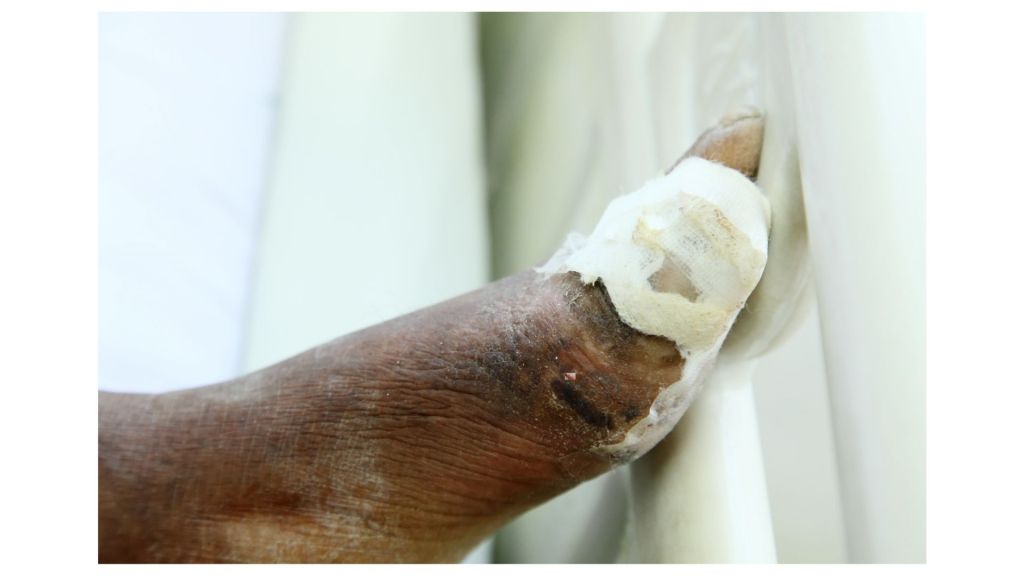
Understanding the differences
Arterial vs. Venous Ulcers:
Understanding the Differences
Chronic wounds, like arterial and venous ulcers, can significantly impact quality of life if not managed properly. Although these two types of ulcers are often confused due to their association with circulatory issues, their causes, symptoms, and treatment methods differ significantly. Understanding these differences is essential for effective diagnosis and care.
In this blog, we will explore the key distinctions between arterial and venous ulcers, including their causes, symptoms, and best treatment options. Whether you’re a patient or caregiver, this comprehensive guide will help you identify and manage these conditions with confidence.
What Are Arterial Ulcers?
Arterial ulcers are open sores that occur due to insufficient blood flow to the affected area. This condition, known as ischemia, deprives tissues of oxygen and nutrients, leading to tissue death and wound formation.
Common Causes of Arterial Ulcers
- Peripheral Artery Disease (PAD): The narrowing of arteries restricts blood flow.
- Atherosclerosis: Fatty deposits in blood vessels further impede circulation.
- Trauma: Minor injuries in areas with poor blood supply may fail to heal properly.
Characteristics of Arterial Ulcers
- Location: Typically found on the toes, feet, heels, or other pressure points.
- Appearance: Punched-out edges, pale wound bed, and minimal bleeding.
- Symptoms: Pain that worsens when legs are elevated and relief when dangling legs downward.
- Surrounding Skin: Cold, shiny, or hairless skin around the ulcer.
Arterial ulcers often indicate advanced vascular disease and require immediate medical attention.
What Are Venous Ulcers?
Venous ulcers result from poor blood flow in the veins, often due to damaged valves that prevent efficient blood circulation. This causes blood to pool in the lower extremities, leading to increased pressure and the breakdown of skin tissue.
Common Causes of Venous Ulcers
- Chronic Venous Insufficiency (CVI): A condition where vein valves are weakened or damaged.
- Blood Clots (DVT): Can lead to long-term vein damage.
- Prolonged Standing or Sitting: Increases venous pressure in the legs.
Characteristics of Venous Ulcers
- Location: Commonly found on the lower legs, above the ankles.
- Appearance: Irregularly shaped, shallow, and may have yellow or red granulation tissue.
- Symptoms: Aching or swelling in the legs, often relieved by elevation.
- Surrounding Skin: Darkened (hyperpigmented) skin or thickened, hardened texture.
Venous ulcers are more common than arterial ulcers and tend to develop gradually.
Subscribe
Enter your email below to receive latest resources


 Corecare Health